
Colonoscopy
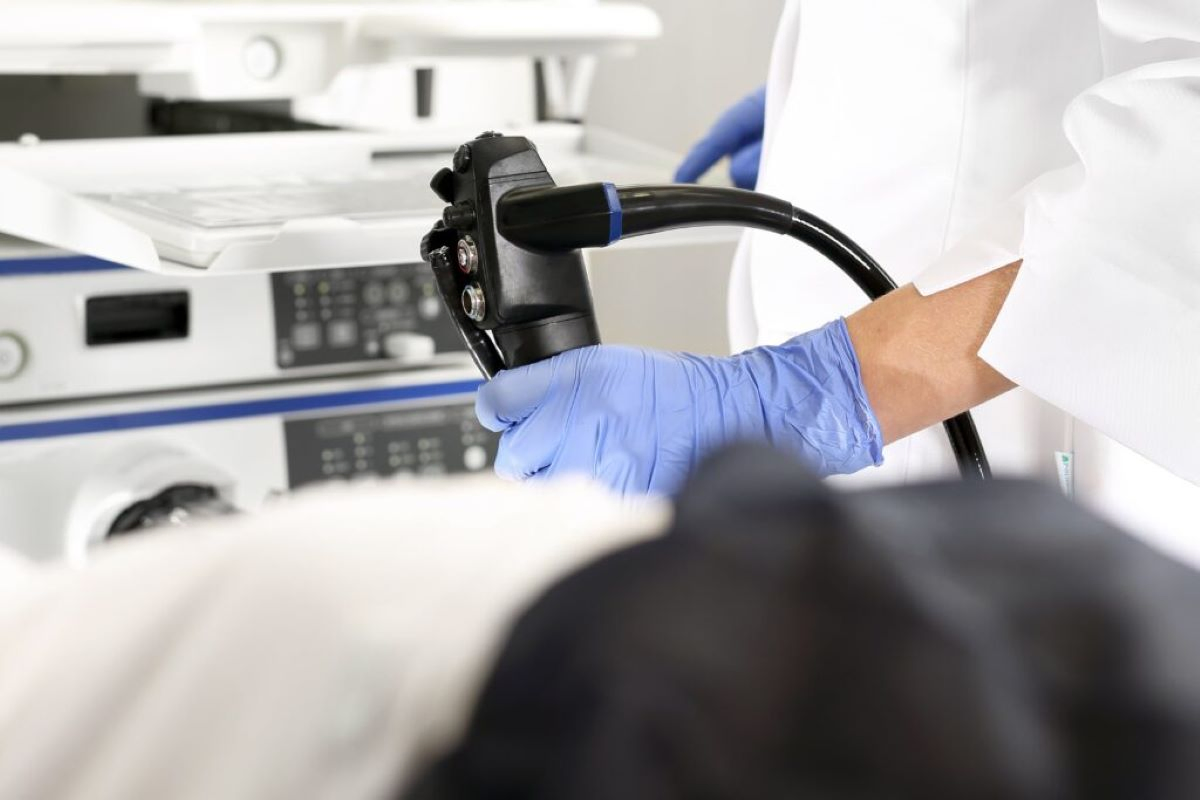
Colonoscopy is a procedure in which the large intestine is examined from the inside. The examination is performed using a soft, flexible tube approximately the width of a little finger (a colonoscope), which the physician inserts through the anus into the cleansed large intestine and advances to the opening of the small intestine. During this time, the interior of the large intestine is carefully inspected. The insertion of the instrument is painless for most patients, although in some it may cause bloating, a sensation of pressure, or abdominal discomfort.
If polyps are detected during the examination, they will be removed using a loop passed into the intestine through the colonoscope. Polyp removal is painless, and patients may return home or to work immediately afterwards. A colonoscopy typically takes 15–30 minutes, though we recommend allowing 1.5–2 hours for your visit to our center.
Indications for Colonoscopy
Diagnostic colonoscopy is recommended in cases of:
- Iron deficiency anemia
- Changes in bowel habits (diarrhea, constipation, pencil-thin stools)
- Lower gastrointestinal bleeding
- Occult blood in stool
- Persistent abdominal pain
- Suspected colorectal cancer
Contraindications to Colonoscopy
Colonoscopy is a safe procedure; however, there are several general contraindications. The most significant include:
- Large aortic aneurysm
- Recent myocardial infarction
- Pulmonary embolism
- Severe intestinal inflammation
- Suspected intestinal perforation
- Mechanical bowel obstruction
- Pregnancy (second and third trimester)