
Gastroscopy
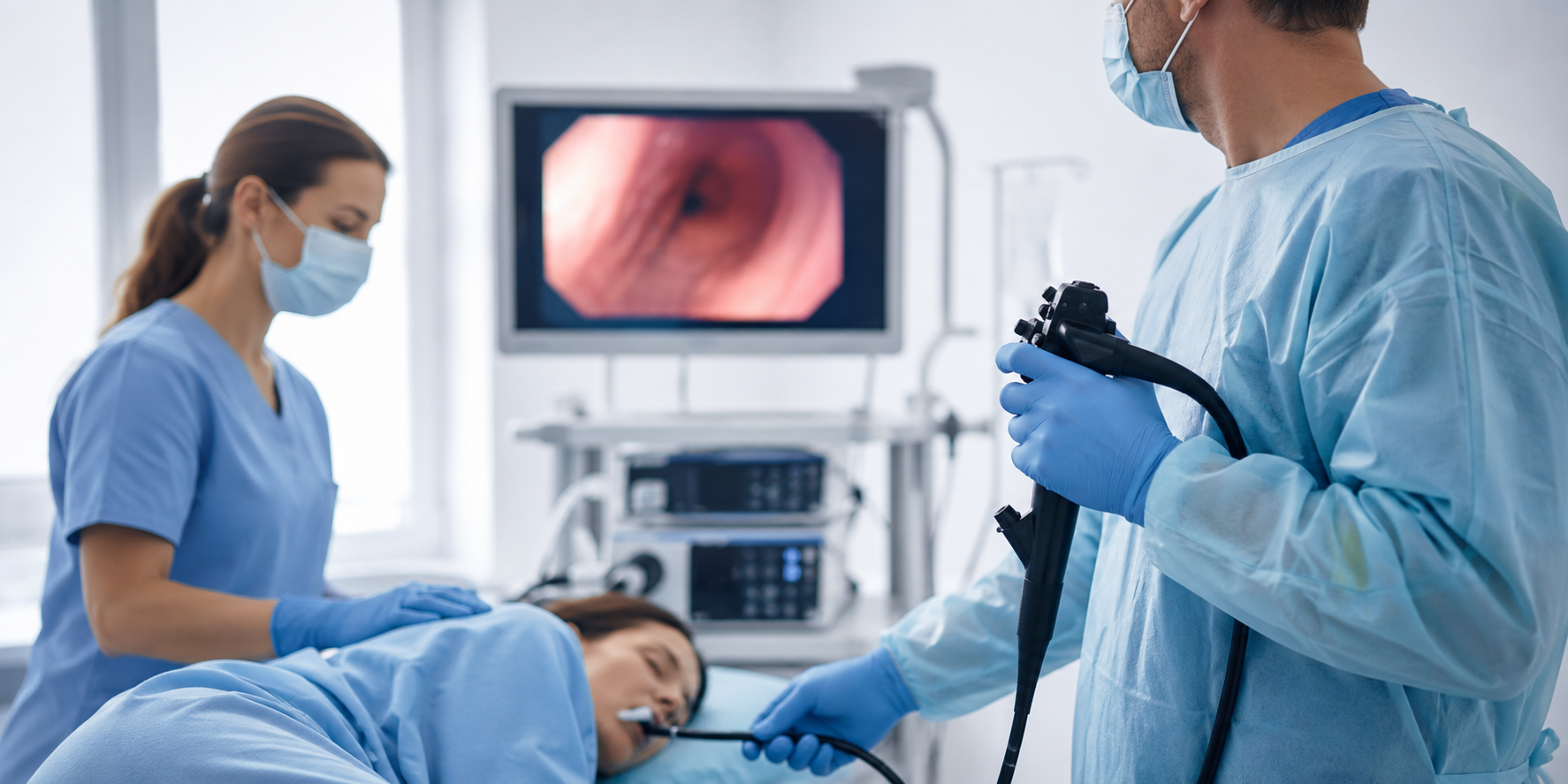
Gastroscopy
Gastroscopy is an endoscopic examination of the upper gastrointestinal tract, encompassing the esophagus, stomach, and duodenum. It enables accurate diagnosis as well as therapeutic interventions, including the removal of foreign bodies and polyps, and the management of bleeding. The procedure is safe, painless, and brief. The examination is performed using a gastroscope — a flexible probe equipped with a video imaging system — allowing the physician to accurately assess the image displayed on a monitor. This enables direct evaluation of the mucous membrane, collection of tissue samples for histopathological examination, and testing for the presence of Helicobacter pylori via the urease test.
Indications for Gastroscopy
Diagnostic gastroscopy is recommended in cases of: • Abdominal pain, belching, bloating, heartburn, and other dyspeptic symptoms; • Suspected gastric or duodenal ulcer disease; • Suspected malignancy; • Difficulty swallowing; • Unexplained weight loss or anemia; • Suspected or confirmed gastrointestinal bleeding; • Suspected drug-induced injury to the mucous membrane of the upper gastrointestinal tract in patients on long-term non-steroidal anti-inflammatory drugs (NSAIDs); • As a preventive examination in patients at increased risk of malignancy — including those with longstanding gastroesophageal reflux disease, Barrett's esophagus, pernicious anemiain the course of atrophic gastritis, or a history of gastric resection.
Urease Test
The urease test involves a painless and safe collection of a small fragment of the gastric mucous membrane (a biopsy) during gastroscopy. The biopsy enables detection of the presence of Helicobacter pylori bacteria. The result is available between 15 minutes and 24 hours after the examination. Testing for Helicobacter pylori is not necessary during gastroscopy in every patient. Although infection is common, there are only a few specifically defined indications for both identifying and — more importantly — treating Helicobacter pylori infection. This decision should be made on a case-by-case basis by the treating physician. Initiating antibacterial treatment solely on the basis of a serological test is considered an error. It should also be noted that while the urease test is an excellent method for assessing the effectiveness of antibacterial treatment, it should not be performed sooner than 4 weeks after the completion of antibiotic therapy.