
Examination with or without anesthesia?
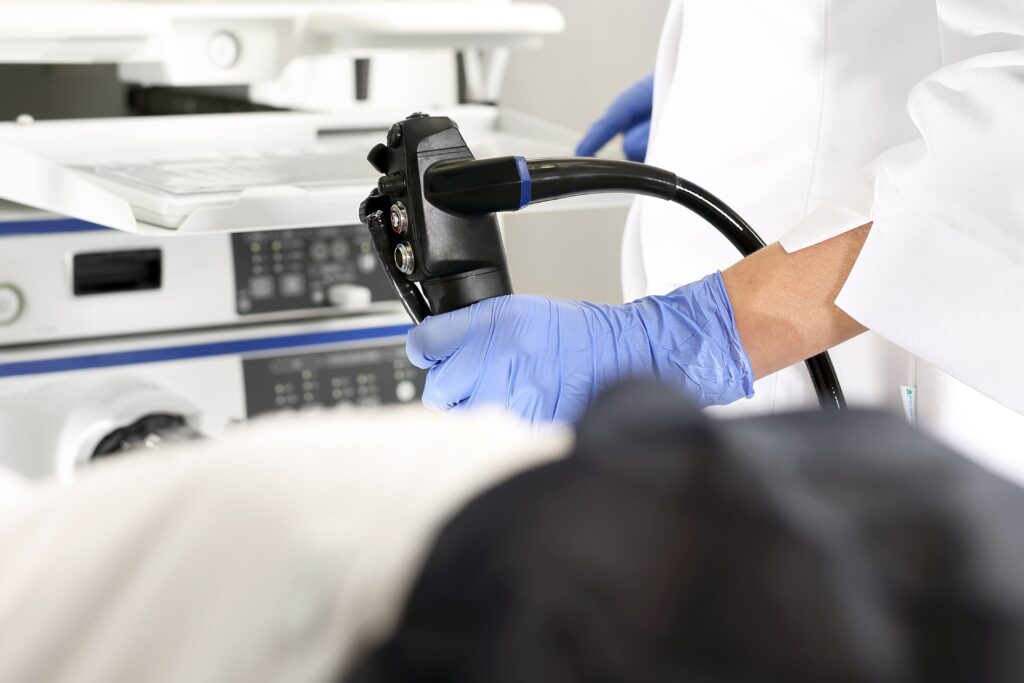
Patients referred for colonoscopy or gastroscopy often face the dilemma of whether to undergo the procedure with anesthesia or without. What are the indications for anesthesia and how does it work?
From a medical perspective, patients who have had previous abdominal surgeries or procedures should undergo colonoscopy under anesthesia. This is due to adhesions that may have formed, which can cause pain or discomfort during the examination. Other factors are individual and depend on the patient’s sensitivity and attitude toward the procedure.
A colonoscopy without anesthesia is performed with the patient fully conscious.
Gastroscopy can be performed either with intravenous sedation or with the use of a local anesthetic (lidocaine spray). After application, a numbing sensation occurs in the area where the anesthetic is applied, reducing discomfort during insertion of the gastroscope.
If the patient has a strong gag reflex, intravenous sedation should be considered.
Intravenous sedation is a type of short-term general anesthesia. It involves the administration of analgesic and sedative medications by an anesthesiologist, causing the patient to be not fully aware of the procedure and to feel as if they are asleep.
Proper preparation for sedation is required. Patients must bring the necessary test results [link] and attend the procedure with an accompanying adult.